Alaa Minawi o predstavi “No Man’s Land” koja otvara 66. MESS: Kakav bismo svijet izgradili kada bismo mogli početi iznova?
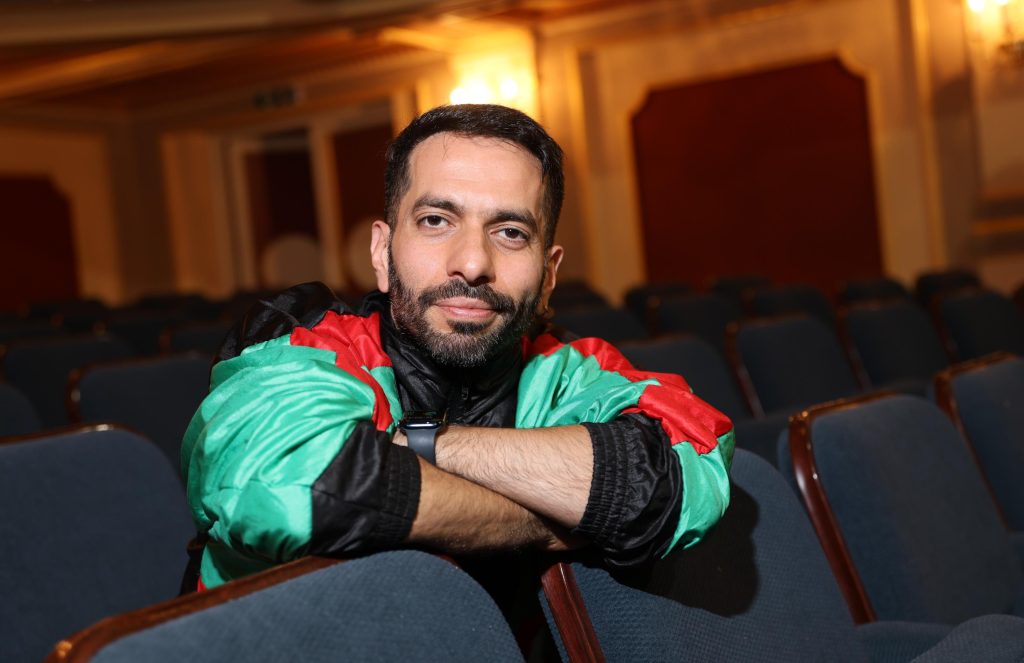
Razgovarala: Iman della Luna Glušac
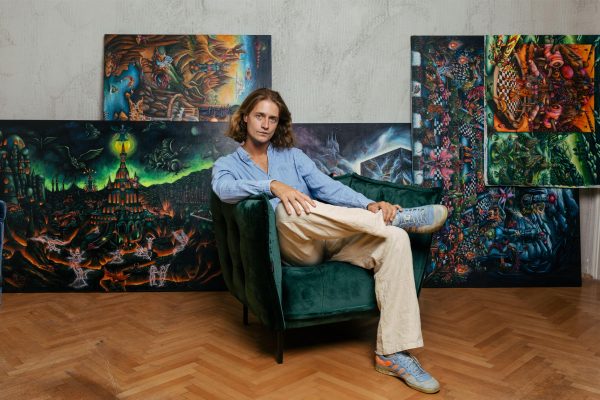
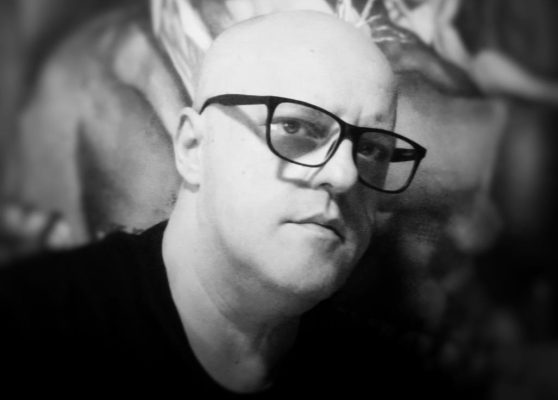
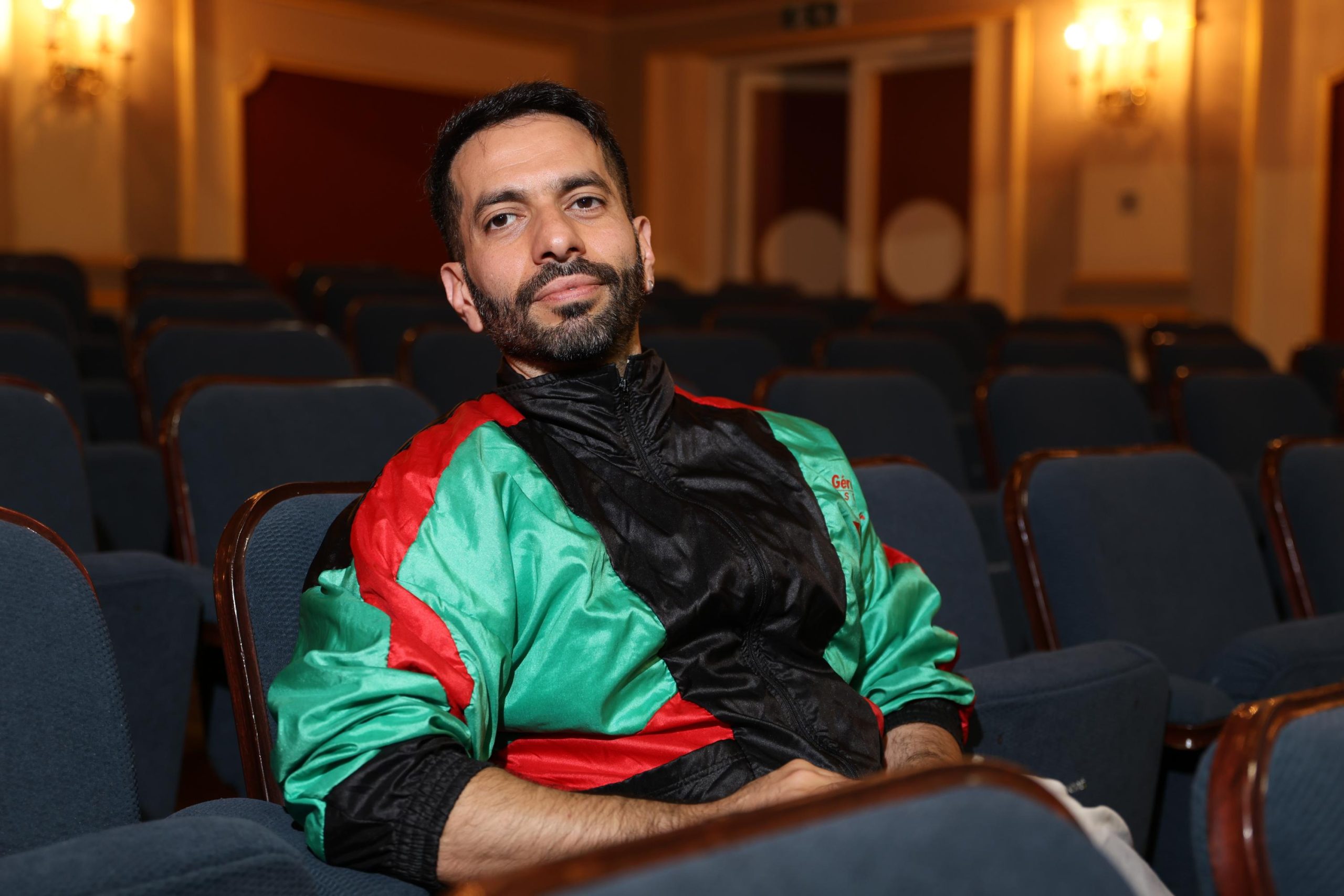
Foto: Hamza Duraković
Palestinsko-nizozemsko-libanski umjetnik Alaa Minawi, rođen u Bejrutu, koji danas djeluje između Amsterdama i Bejruta, radi u različitim medijima, od performansa i instalacija do svjetla i scenografije. Njegovu umjetničku praksu gotovo desetljeće oblikuju pitanja pripadanja, identiteta, prisustva i odsustva, kao i prostori koji postoje između mjesta i ljudi.
Minawi u Sarajevo donosi predstavu „No Man’s Land“, koja otvara 66. izdanje Internacionalnog teatarskog festivala MESS. Predstava će biti izvedena 2. oktobra u 19:30 sati u Narodnom pozorištu Sarajevo.
Polazeći od ideje „ničije zemlje“ kao međuprostora, rad se kreće kroz Liban, Egipat i Oman prema Palestini. Uoči njegovog dolaska u Sarajevo, razgovarali smo s Minawijem o pripadanju, nastanku i idejama iza predstave „No Man’s Land“, ulozi publike i onome što umjetnost može učiniti mogućim izvan riječi.
Vaše umjetničko istraživanje pripadanja počelo je prije gotovo deset godina. Šta se promijenilo u Vašem razumijevanju pripadanja od trenutka kada ste započeli ovo istraživanje?
Zaista, sam pojam se u mom umu mijenjao kako se istraživanje nastavilo, a s njim sam se mijenjao i ja. Moje početno istraživanje prije deset godina bilo je usmjereno na pripadanje i njegov odnos prema fizičkim prostorima. Gdje, fizički, nastaje prvi osjećaj pripadanja? Da li je to naš dom iz djetinjstva? Naša prva soba? Miris posteljine? Majčina utroba? Ova radoznalost polazila je od pretpostavke da ću, ako razumijem porijeklo pripadanja, razumjeti i njegovo iskustvo.
Ali svaki odgovor otvarao je nova pitanja, a ta pitanja postajala su temelj za sljedeću predstavu ili instalaciju. Danas je riječ pripadanje za mene zamijenjena riječju proširenje: mi smo produžetak nečega duboko ukorijenjenog u zemlji i historiji, poput korijenja koje se međusobno isprepliće. Više se ne radi samo o prostoru ili o mom ličnom osjećaju pripadanja, već o vezama i presjecima koji nas čine onim što jesmo.
Vaš umjetnički iskaz opisuje „zašto“ kao najurgentnije pitanje u Vašoj praksi. Koje je „zašto“ iza No Man’s Land?
Zašto smo dozvolili da se genocid u Gazi dogodi? Zašto je život tako lako nastavio dalje? Mislim da je ovo bilo najurgentnije „zašto“, a iz njega su proizašla i druga pitanja. „Gdje“ sam ja u svemu tome? „Šta“ mogu učiniti kao umjetnik? „Kako“ mogu govoriti, izvesti, transformisati, prikazati ili zanemariti ono što se dogodilo? „Ko“ je spreman biti sa mnom na ovom putovanju? „Kada“ je pravi trenutak da govorim, a kada da ne govorim o tome? Sve navedeno odvelo me je do konačnog pitanja bez odgovora: šta je ljudsko biće?
Sarajevo je grad sa vlastitim složenim historijama granica, raseljavanja, sjećanja i pripadanja. Kada No Man’s Land donosite u grad koji nosi takve historije, kakav susret između rada i publike zamišljate?
Duboko sam počašćen što ću stati pred publiku u Sarajevu. U svom prvom telefonskom razgovoru s Nihadom Kreševljakovićem rekao sam mu da je moje prvo iskustvo teatra bilo 2004. godine, kada sam bio student. U toj predstavi Srebrenica je bila ključni trenutak. Ostala je u mojoj glavi i mom srcu, a sada, dvadeset i dvije godine kasnije, nalazim se pred ljudima i u gradu čiju sam priču toliko dugo nosio sa sobom.
Sasvim je drugačije izvoditi predstavu pred publikom koja je proživjela genocid i rat. Nikakvi uvodi nisu potrebni. Jedan dah ili produžena tišina mogu reći sve. Tokom proba prilagođavao sam tekst Sarajevu i postoje trenuci kada zastanem i kažem: ove će riječi imati drugačiju težinu kada ih zamislim izgovorene ovdje.
Ovogodišnji MESS pita: „Znamo. Šta sada?“ U svijetu u kojem su umjetnici neprestano suočeni sa stvarnostima koje zahtijevaju odgovor, šta mislite da umjetnik zaista može učiniti? I šta umjetnost može učiniti mogućim, a što drugi oblici djelovanja ne mogu?
Moram reći da je ovo teško pitanje i da sam zaokupljen njime od početka genocida u Gazi. Istraživanje za ovaj projekt počelo je 2022. godine, prije nego što smo počeli svjedočiti svim ovim strahotama. Kada je počeo genocid, projekt je zaustavljen; više nije bilo moguće nastaviti ga na način na koji je započet. Ja sam umjetnik, ali pred onim što se događalo, moji alati izražavanja i mašte suočili su se s nečim što je bilo veće od mog kapaciteta. Ipak, činilo se da mi, a pod „mi“ mislim na one koji odbijaju skrenuti pogled, moramo ispričati svoju priču, jer će je u suprotnom neko drugi zauzeti.
Projekt se razvijao i bilo je planirano da premijera bude 2025. godine, ali nisam mogao pisati. Tih dana bilo je veoma teško biti kreativan. Pitanja o tome šta je umjetnost, o njenoj vrijednosti, značaju i ulozi pred ljudskim tragedijama postala su predmet moje brige. Sumnjao sam u umjetnost i pozorište i institucije. Sumnjao sam u svoju ulogu u svemu tome, a šta god bih zamislio, djelovalo mi je banalno. Nadrealne stvarnosti ponekad nadjačaju maštu, a stvarnost u kojoj živimo izgleda nestvarno, poput noćne more ili horor filma.
Međutim, nešto se promijenilo kada sam počeo gledati videe koji su dolazili direktno iz Gaze: muzičare koji sviraju između ruševina, izvođače koji nastupaju za djecu, slikare koji slikaju po uništenim fasadama, pjesnike koji zapisuju svoja iskustva. Ponovo sam se podsjetio da umjetnost može biti zabava, ali može biti i mnogo više od toga. Može biti dokumentacija, refleksija, reakcija, bijeg, iscjeljenje. Može biti konfrontirajuća, intrigantna, može pomjerati granice, biti politička, komična. Može ispričati priču, ali je može i dekonstruisati. Može je okrenuti naglavačke i poigravati se njome.
Ali od svega toga, za mene je najvažniji aspekt umjetnosti to što ona može zamisliti univerzum, kosmos, skup događaja, bilo realističnih ili potpuno izvan ovog svijeta. Ona nas podsjeća da mi ljudi imamo mentalni kapacitet da ponovo zamislimo, preoblikujemo i promijenimo.
Naslov No Man’s Land priziva prostor koji ne pripada nikome. Šta Vas je privuklo upravo ideji prostora koji postoji izvan jasnih granica i definicija?
Moj interes je početi iznova. Iz futurističke perspektive, imao sam pitanja o tome šta znači „iznova“. Ako odemo u prostor koji niko ne zauzima, bez zakona, ustava, prethodnog ljudskog prisustva, i imamo priliku početi sve ispočetka, kako bismo izgradili ovaj svijet? Šta bismo promijenili? Koje strukture moći, ako su nam uopšte potrebne, bi ostale, a šta bi bilo novo stvoreno? To proizlazi iz preuzimanja odgovornosti da napravimo promjenu kada stvarnosti ne funkcionišu.
Istovremeno, ne radi se samo o fizičkom prostoru, već i o emocionalnom i mentalnom prostoru: potrebi za međuprostorom, neistraženim prostorom u našim umovima, kako bismo mogli obraditi i rekonstruisati sebe.
Međuprostor, liminalni, neistraženi, nevidljivi, nenastanjeni prostor, ponavlja se u mom radu, svaki put iz drugačije perspektive.
Participacija je postala važan dio Vaše umjetničke prakse. Zašto Vam je važno da publika ne ostane samo posmatrač, već postane dio samog rada?
Postoje dva glavna razloga. Prvi je povezan s mojim istraživanjem struktura moći i njihovim preispitivanjem unutar sistema i odnosa. To je dovelo do mog interesa za preispitivanje odnosa između izvedbe i gledaoca. Zašto je to samo moja priča? Zašto sam ja jedini koji ovdje govori? A šta je s tobom, gledaocem? Da li bi te zanimalo da budeš uključen u narativ ove predstave? Bilo je to pitanje kako mogu umanjiti ulogu izvođača i dati više prostora gledaocu da bude prisutniji u ovom iskustvu.
To me dovodi do drugog razloga: interesa da doprem do publike na dubljem nivou. Ako napustim scenu i ponudim prostor osobi koja gleda, da li bi predstava imala dublji uticaj? Da li bih razgovarao s tobom na nekom drugom nivou? To ne znači da tradicionalni odnos ne funkcioniše ili da je manje vrijedan. Bio je to moj interes da potražim drugačiju dinamiku između „tebe“ i „mene“.
Šta je nešto što Vas trenutno zanima, a nema nikakve veze s temama s kojima Vas obično povezujemo?
Trenutno sam u fazi čitanja i radim na trećem dijelu svog istraživanja arapskog futurizma. Ako me nešto trenutno zanima, onda je to urođena ljudska priroda: šta u nama ostaje isto kada je sve oko nas srušeno i ponovo oblikovano. Teme poput čovjeka i mašine, konstruisane slike, prodiranja u prošlost, budućnost ili oboje istovremeno.
Šta umjetnost može reći, otkriti ili učiniti mogućim, a do čega ne možemo doći običnim jezikom?
Sjećam se knjige koju sam pročitao prije mnogo godina, Philosophies of Art and Beauty: Selected Readings in Aesthetics from Plato to Heidegger. To je knjiga koja okuplja priličan broj filozofa koji postavljaju pitanja koja bi se mogla sažeti na: šta je umjetnost, ljepota, ukus, dobro i loše. Toplo je preporučujem.
Od tada, i nakon dvadeset godina kretanja kroz pozorište, instalacije i performans, mogu reći da umjetnost nudi potencijal u stvarima. Nešto što ranije nismo vidjeli, iako je možda cijelo vrijeme bilo pred našim očima. Umjetnost govori ljudima da je u redu, da pomoću mašte možemo pronaći nova značenja za ovaj univerzum i način na koji se pozicioniramo unutar njegovog kosmosa.
Kada ideja za Vas postaje umjetničko djelo? Postoji li trenutak kada znate da neka ideja mora napustiti Vaš um i ući u svijet?
Na početku ideja ili tema neprestano zaokuplja moj um, ali postoji trenutak kada je vidim pred svojim očima. Teško je to opisati, ali to je trenutak ogromne radosti i ekstaze, kada vidite nešto lijepo što osjećate da mora biti podijeljeno s drugima. Pozorište je za mene ta duboka mogućnost da taj trenutak podijelim s drugima.
Nakon što neko pogleda No Man’s Land, koje biste pitanje voljeli da ponese sa sobom kada napusti pozorište?
Šta smo još mogli učiniti?
Za međunarodnu publiku, u nastavku donosimo cijeli intervju na engleskom jeziku.
Alaa Minawi on “No Man’s Land” at MESS: What Kind of World Would We Build If We Could Start All Over Again?
Palestinian-Dutch-Lebanese artist Alaa Minawi, born in Beirut and based between Amsterdam and Beirut, works across performance, installation, light and scenography. For almost a decade, his artistic practice has been shaped by questions of belonging, identity, presence and absence, and the spaces that exist between places and people.
Minawi brings the performance “No Man’s Land” to Sarajevo, opening the 66th edition of the International Theatre Festival MESS. The performance will take place on October 2 at 7:30 p.m. at the National Theatre Sarajevo.
Starting from the idea of “no man’s land” as an in-between space, the work moves through Lebanon, Egypt and Oman towards Palestine. Ahead of his arrival in Sarajevo, we spoke with Minawi about belonging, the reasons and ideas behind the creation of No Man’s Land, the role of the audience, and what art can make possible beyond words.
Your artistic research into belonging began almost a decade ago. What has changed in your understanding of belonging since you first began this research?
Indeed, the notion itself has transformed in my mind as the research kept going, and so did I. My initial research a decade ago revolved around belonging and its relationship to physical spaces. Where, physically, does the initial instance of belonging spark? Is it in our childhood home? Our first bedroom? The smell of bedsheets? The mother's womb? This curiosity assumed that if I understood the origin of belonging, I would grasp its experience. But each answer raised new questions, and those questions became the foundation for the next performance or installation. Today, the word belonging has been replaced, for me, by extension: we are an extension of something deep in the soil and in history, like roots that intertwine. It is no longer only about a space, or about my own personal belonging, but about the connections and intersections that make us who we are.
Your artistic statement describes the “why” as the most urgent question in your practice. What is the “why” behind No Man’s Land?
Why did we let the genocide in Gaza happen? Why did life keep on so easily? I think this was the most urgent “Why,” and from it stemmed other questions. “Where” am I in all of this? “What” can I do as an artist? “How” can I speak, perform, transform, portray or disregard what has happened? “Who” is willing to be with me on this journey? “When” is the right time to talk, and not talk, about it? All of the above channeled me to the final unanswered question: what is a human being?
Sarajevo is a city with its own complex histories of borders, displacement, memory and belonging. When you bring No Man’s Land to a city carrying these histories, what kind of encounter are you imagining between the work and its audience?
I am deeply honored to stand before an audience in Sarajevo. In my first phone call with Nihad, I shared with him that my first experience of theater was in 2004, when I was a university student. In that performance, Srebrenica was a core moment. It stayed in my head and in my heart, and now, twenty-two years later, I find myself standing before the people and the city whose story I have carried with me for so long. It is substantially different to perform for an audience that has lived through genocide and war. No introductions are needed. One breath, or a stretched silence, can say it all. While rehearsing, I have been revising the text for Sarajevo, and there are moments when I stop and say: these words will carry a different weight when I imagine them spoken here.
This year’s MESS asks: “We know. What now?” In a world where artists are constantly confronted with realities that demand a response, what do you believe an artist can actually do? And what can art make possible that other forms of action cannot?
I have to say this is a tough question, and I have been occupied with it since the start of the genocide in Gaza. The research for this project started in 2022, before we started witnessing all these atrocities. When the genocide began, the project paused; it was no longer possible to keep on with it as it was. I am an artist, but in front of what was happening, my tools of expression and imagination were confronted with something larger than my capacity. However, it felt that we, and by we I mean those who refuse to look away, must narrate our story, or someone else will occupy it.
The project developed and was planned to premiere in 2025, but I could not write. It was very hard to be creative in those days. Questions about what art is, its worth, value and role in the face of human tragedies have become a concern. I doubted art and theater and the institutions. I doubted my role in all of this, and whatever I thought of became banal. Surreal realities sometimes overpower imagination, and the reality we are living in looks unreal, like a nightmare or a horror film.
However, something shifted when I started seeing videos coming from Gaza itself: musicians playing music between the rubble, performers performing for children, painters painting on demolished facades, poets writing their experiences. I was reminded again that art can be entertainment, but it can be more than that. It can be documentation, reflection, reaction, escapism, a healer. It can be confrontational, intriguing, boundary-pushing, political, comic. It can tell the story, and it can deconstruct it too. It can flip it around and play with it.
But of all that, the most important aspect for me is that art can imagine a universe, a cosmos, a set of events, whether realistic or out of this world. It reminds us that we humans have the mental capacity to reimagine, re-mold and change.
The title No Man’s Land evokes a space that belongs to no one. What drew you to this particular idea of a space that exists outside clear boundaries and definitions?
My interest is in starting to rebuild all over. Within a futuristic perspective, I had questions about what “all over” means. If we go to a space occupied by no one, with no laws, no constitutions, no previous human presence, and we had the chance to start all over again, how would we build this world? What would we change? What power structures, if any are needed, would remain, and what would be created? It stems from taking agency to make change when realities are not working.
At the same time, it is not only about the physical space, but also the emotional and mental space: the need for an in-between, uncharted space in our minds, to be able to process and reconstruct the self.
The in-between, liminal, uncharted, unseen, unoccupied space has been recurrent in my work, every time from a different perspective.
Participation has become an important part of your artistic practice. Why is it important to you that the audience does not remain only a spectator, but becomes part of the work itself?
There are two main motives. The first is related to my research about power structures and questioning them within systems and relationships. This filtered down to an interest in rethinking the performance relationship with the spectator. Why is it only my narrative? Why am I the only one speaking here? How about you, the spectator? Would you be interested in being involved in the narrative of this performance? It was a question about how I can diminish the role of the performer and give more space for the spectator to be more present in this experience.
This takes me to the second motive: the interest in reaching the audience on a deeper level. If I leave the stage and offer a space to the person watching, would the performance have a deeper impact? Would I be talking to you on another level? This does not mean that the traditional relationship does not work, or is less valid. It was an interest of mine to search for another dynamic between “you” and “me.”
What is something you are curious about right now that has nothing to do with the subjects you are usually associated with?
I am in a reading phase now, working on the third part of my Arab Futurism research. If there is something I am curious about right now, it is innate human nature: what in us stays the same when everything around us is demolished and remolded. Subjects like the human and the machine, the constructed image, infiltrating the past, the future, or both at once.
What can art say, reveal or make possible that we cannot reach through ordinary language?
I remember a book I read many years ago called Philosophies of Art and Beauty: Selected Readings in Aesthetics from Plato to Heidegger. It's a book that compiles quite a number of philosophers asking questions that could be summed up as: what is art, beauty, taste, good and bad. I highly recommend it. From there, and after twenty years of navigating theater, installations and performance arts, I can say that art offers the potential in things. Something we did not see before, although it might have been in front of our eyes all along. Art tells people that it is okay, that with imagination we can figure out new meanings for this universe and how we position ourselves within its cosmos.
When does an idea become a work of art for you? Is there a moment when you know that an idea needs to leave your mind and enter the world?
At the start, an idea or a topic occupies my mind continuously, but there is a moment when I see it in front of my eyes. It is hard to describe, but it is a moment of tremendous joy and ecstasy, seeing something beautiful that feels like it must be shared with others. Theater for me is that deep agency to share that moment with others.
After someone watches No Man’s Land, what question would you like them to carry with them when they leave the theatre?
What else could we have done?